

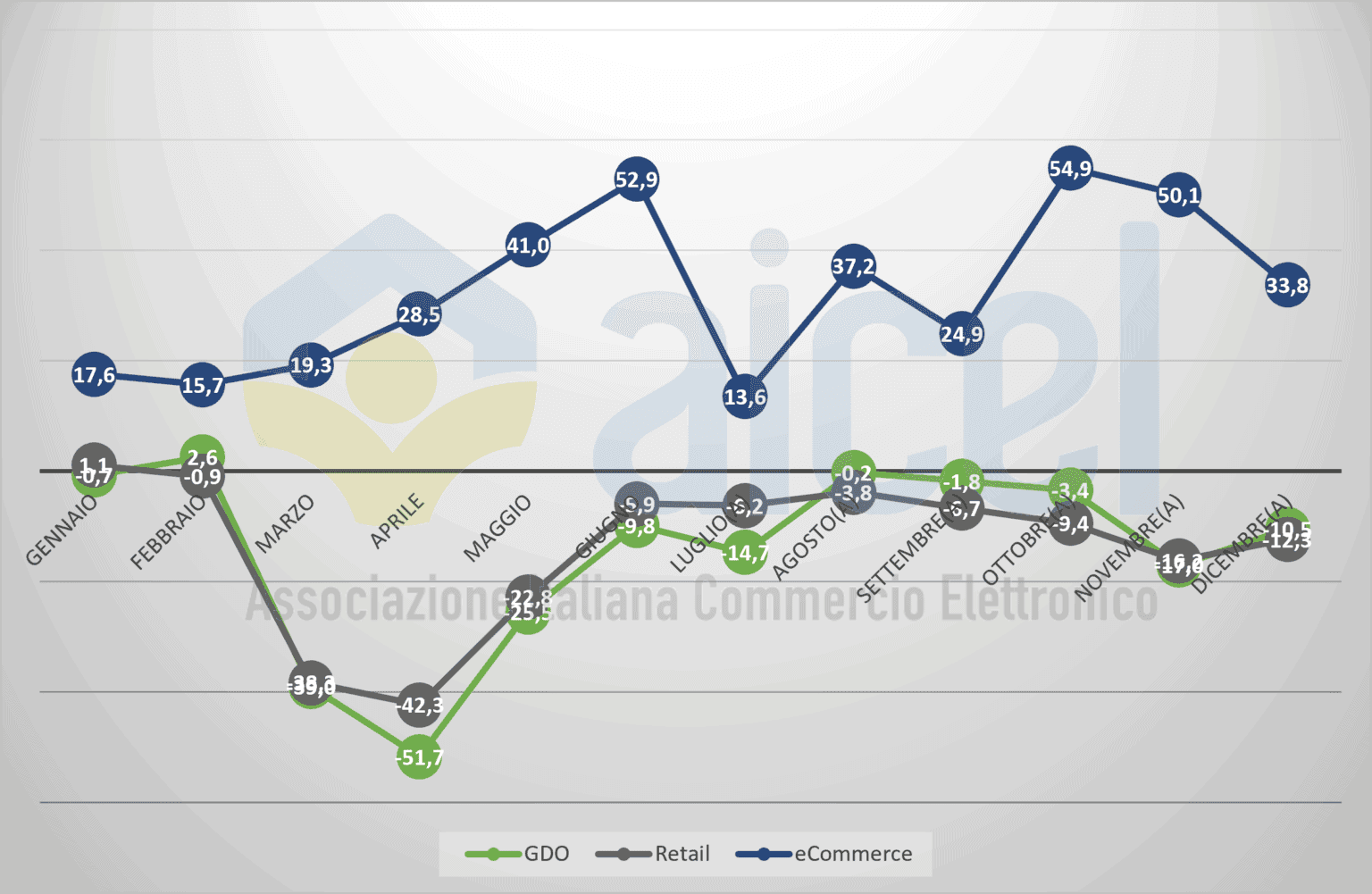
Opening an online shop can be a good choice, but not because “everyone buys online” or because it is the right moment in absolute terms. It makes sense when the project has margins, demand, logistics and processes solid enough to support selling online.
Before choosing a platform, design or plugins, it is worth understanding whether e-commerce really solves a business problem.
When it makes sense to open an online shop
There are some positive signs:
- you have products or services with proven demand;
- your margins can cover acquisition costs, payments, shipping and returns;
- you can handle orders, stock and customer support reliably;
- you want to build a channel you own, without depending only on marketplaces or social media;
- you need to integrate the site with management software, a CRM, payment systems or other services.
When you may not need one
An online shop is not automatically the best solution. If you sell a few high-value products, work mostly on quotes or have a very consultative sales process, a well-designed site with enquiry forms, configurators or custom flows may be more effective.
In other cases it may make sense to start from a marketplace or a simpler system, and move to your own platform only when volumes and processes justify it.
The platform comes later
WooCommerce, Shopify, custom solutions or other platforms can all be valid in different contexts. The choice should depend on real requirements: catalogue, variants, payments, integrations, internationalisation, inventory management, team autonomy and maintenance budget.
The point is not to use a specific technology, but to avoid building a system that is too complex or too limited for what the project needs to do.
An online shop is also an operational project
The technical side is only one part. Before launch you also need to define:
- order and availability management;
- shipping and returns;
- customer support;
- content and product pages;
- payments and invoicing;
- analytics and conversion tracking;
- maintenance and security.
If these processes are not clear, you risk an online shop that works technically but is hard to manage and not very effective.
Conclusion
The useful question is not “is it worth opening an online shop?”, but “what is the most sustainable way to sell online in my case?”.
If you are considering a new project or want to improve an existing online shop, see how I work on websites and e-commerce or let’s talk about your project.